
How to Keep a Pool Safe in Coastal Climates
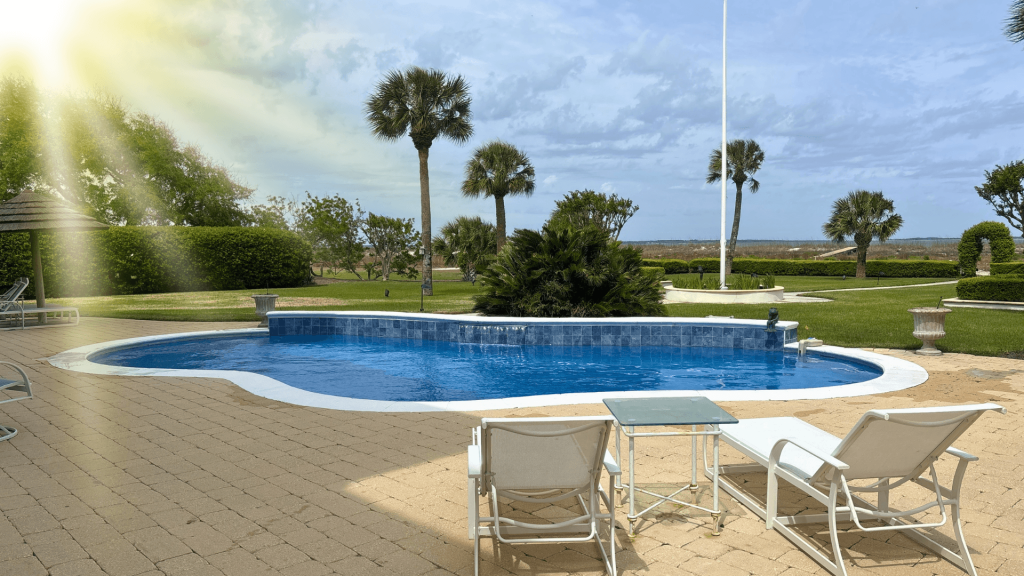
Coastal environments like Hilton Head and Bluffton create conditions that can quietly work against water quality if they’re not managed the right way. Between heat, humidity, rainfall, and organic debris, pools in these areas require a more precise approach to stay consistently safe and balanced.
One of the biggest factors is how quickly sanitizer demand can change. Strong sun exposure and elevated temperatures break down chlorine faster than many expect. It’s common to see pools that appear clear but are operating with insufficient sanitizer levels. Staying ahead of this requires more frequent monitoring and timely adjustments, especially during extended periods of heat.
Another key consideration is how water chemistry shifts after heavy rain. Sudden rainfall dilutes chlorine, disrupts pH and alkalinity, and introduces contaminants all at once. Even a short delay in rebalancing can create the conditions for algae growth. Addressing water chemistry promptly after storms helps prevent larger issues from developing.
Phosphate buildup is also more prevalent in coastal regions due to pollen, organic debris, and environmental runoff. Since phosphates act as a nutrient source for algae, they can fuel recurring problems even when chlorine levels seem adequate. Periodic phosphate management plays an important role in long-term water stability.
Equally important is filter performance under coastal conditions. Fine particles like sand, pollen, and organic matter can accumulate quickly, reducing filtration efficiency. When this happens, water clarity and overall quality can decline even if chemical levels are within range. Consistent filter maintenance ensures the system is removing contaminants effectively rather than allowing them to recirculate.
Finally, stabilizer (CYA) levels tend to fluctuate more in coastal pools due to rainfall and ongoing chemical adjustments. If stabilizer drops too low, chlorine is quickly degraded by sunlight. If it climbs too high, chlorine becomes less effective. Keeping this balance in check is essential for maintaining safe, usable water without overcorrecting.
Maintaining a safe pool in a coastal climate comes down to timing, consistency, and understanding how these local conditions affect the water. When handled properly, it keeps the pool clear, stable, and ready to use without unnecessary setbacks.
At Clearwater Pool Service, this level of detail is part of how we help keep pools across Hilton Head and Bluffton consistently safe, clean, and ready to enjoy.